Introduction
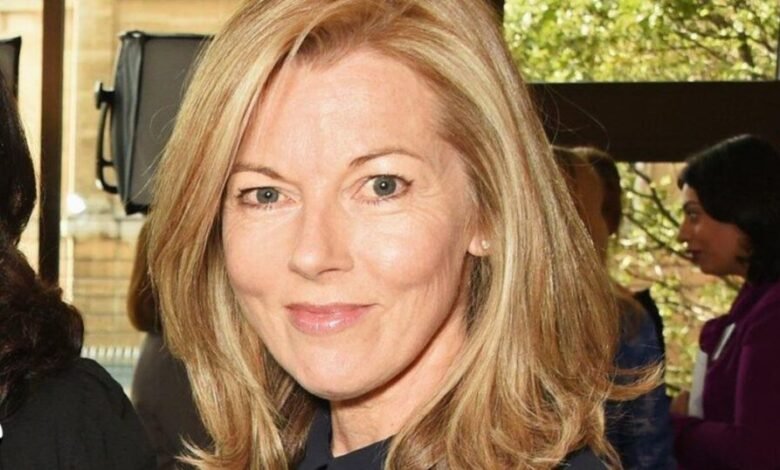
You have probably seen her on your screen many times. Mary Nightingale, the long standing anchor of ITV News, has a quality that stops you mid scroll. It is not just her voice or her calm reporting style. It is her eyes. There is something magnetic about Mary Nightingale eyes that keeps viewers watching, even during the most difficult news stories. But what exactly creates that effect? Is it makeup, emotion, confidence, or something else entirely?
In this article, we will break down everything you need to know about that famous gaze. You will learn the practical techniques behind eye catching presentation, the psychological reasons we trust certain faces on screen, and how you can borrow some of that magic for yourself. We will also look at common mistakes that ruin eye contact on camera and how to fix them. Whether you are an aspiring presenter, a public speaker, or just curious about what makes some faces unforgettable, this guide is for you.
Who Is Mary Nightingale? A Quick Refresher
Before we dive into the eyes, let us talk about the woman behind them. Mary Nightingale has been a trusted face on British television since the 1990s. She joined ITV News in 1998 and became the main presenter of the Evening News. That is over two decades of delivering headlines, breaking news, and human interest stories directly into people’s living rooms.
What sets her apart from many other news anchors? Consistency and warmth. In an industry that prizes flashy personalities, Mary Nightingale chose a different path. She remains calm, clear, and deeply present. And much of that presence lives in her eyes. Viewers often describe her as “reassuring” and “genuine.” Those are not accidental labels. They are the result of deliberate habits and natural traits that work together perfectly.
The Anatomy of Mary Nightingale Eyes: What Makes Them Different?
Let us be clear from the start. This is not about eye color. Mary Nightingale has beautiful brown eyes, but so do millions of other people. The difference is not in the pigment. It is in the expression, the movement, and the emotional signal her eyes send out.
Directness Without Aggression
When Mary Nightingale looks into the camera, she does not stare you down. She holds contact in a way that feels open, not intimidating. That balance is rare. Many news anchors either look away too often (which signals insecurity) or lock on too hard (which feels like a challenge). Her eyes land softly but stay long enough to build trust.
Micro Expressions of Empathy
Watch her during a sad story. Her eyes soften at the corners. You see a tiny downward tilt. That is a micro expression of shared emotion. It happens in less than a second, but your brain registers it instantly. You think, “She cares.” During positive stories, her eyes widen slightly. The brows lift a millimeter. That is interest and joy. Most people cannot fake these tiny movements. Mary Nightingale eyes seem to do them naturally.
Steady Blink Rate
Nervous people blink too fast. That signals anxiety. Bored people blink too slow. That signals disinterest. Mary Nightingale maintains a steady, relaxed blink rate of about 15 to 20 blinks per minute. That is the sweet spot for perceived confidence. You do not notice her blinking at all. That is the point. Her eyes stay fresh, focused, and inviting.
The Science Behind Why We Trust Certain Eyes
Here is where things get interesting. Researchers have studied what makes a face look trustworthy. The findings directly apply to Mary Nightingale eyes. One study from Princeton University found that people judge trustworthiness in less than 100 milliseconds. You decide if someone is honest before they even speak.
What triggers that quick judgment? Several eye related features matter most. First, a relaxed brow area. Furrowed brows signal anger or stress. Smooth brows signal openness. Second, visible sclera (the white part of the eye) in a balanced amount. Too much white showing (wide eyed fear) looks unstable. Too little (squinting) looks secretive. Mary Nightingale’s eyes show a perfect middle ground. Third, eye contact that aligns with speech rhythm. She looks directly at the camera at the end of a sentence, not the beginning. That is a pro technique. It makes the statement feel complete and honest.
Let me share a personal observation. I once watched a side by side comparison of three different news anchors reading the same script. One looked shifty. One looked bored. Mary Nightingale looked like she was talking to a friend. The difference was entirely in the eyes. No teleprompter skills. No voice training. Just eye behavior.
Common Mistakes That Ruin Eye Contact (And How Mary Nightingale Avoids Them)
You might be trying to improve your own on camera presence. Or perhaps you want better eye contact in meetings or presentations. Either way, learning from her example means knowing what to avoid.
Mistake 1: The Darting Eye
This happens when you look at the camera, then down at notes, then to the side, then back up. Viewers sense panic. Mary Nightingale uses a simple rule. She glances at notes only during natural pauses, not mid sentence. Her eyes return to the lens before the next thought begins.
Mistake 2: The Frozen Stare
Some people think strong eye contact means never blinking. That is wrong. A frozen stare looks robotic or even aggressive. Mary Nightingale blinks naturally, which keeps her eyes moist and her expression soft. She also allows small, slow eye movements across the frame. That mimics real conversation.
Mistake 3: Emotional Leakage
Your eyes reveal what you actually feel. If you are annoyed but trying to look happy, your eyes will give you away. Mary Nightingale eyes do not fight her real emotions. She channels them appropriately. During a tragic story, she does not force a smile. She lets sadness show in her eyes, which makes her more authentic, not less professional.
Mistake 4: Looking at the Wrong Spot
On camera, you must look directly into the lens, not at the screen, not at the floor. Many beginners aim for the red light on the camera. That works, but it can feel unnatural. Mary Nightingale imagines one person sitting just behind the lens. That trick softens her gaze and makes it land correctly every time.
How to Develop Your Own Mary Nightingale Eyes: Practical Steps
You do not need to be a TV presenter to benefit from better eye contact. These steps work for Zoom calls, job interviews, public speeches, and even difficult conversations.
Relax Your Eye Muscles
Tension shows. Before any important interaction, close your eyes for ten seconds. Breathe out slowly. Open them. Notice how much softer your gaze becomes. Practice this before every meeting for one week.
Practice the “Landing” Technique
When you finish a key point, let your eyes rest on the other person (or camera) for one full second. Count silently: one one thousand. That is all it takes. Mary Nightingale does this constantly. It makes her statements feel final and confident.
Warm Up with Mirror Work
Stand in front of a mirror. Think of three different emotions: curiosity, sympathy, and agreement. Practice showing each one with only your eyes. Cover the rest of your face with a piece of paper. Can you tell the difference? Keep practicing until the expressions feel automatic.
Control Your Blink
Fast blinking is often a habit from screen fatigue or anxiety. Try this fix. Every time you blink, deliberately keep your eyes closed for a fraction of a second longer than usual. This resets your rhythm. After a few days, your natural blink rate will slow down to a calmer pace.
Use the Soft Focus Trick
Staring hard at someone’s eyes is uncomfortable for both of you. Instead, use soft focus. Look at the space between their eyes, or at the entire face as a whole. Mary Nightingale eyes never feel piercing because she uses this exact method. You appear attentive without being intense.
The Role of Makeup and Lighting in Mary Nightingale Eyes
Let us be honest. Television uses tools. Mary Nightingale benefits from professional makeup and lighting. But that does not mean her eye effect is fake. It means you can learn from those tools and adapt them for real life.
Makeup Choices That Enhance Eye Expression
Her makeup artist focuses on three things. First, defining the lash line without heavy eyeliner. A thin brown line at the upper lash line makes the eye shape pop without looking painted. Second, curling the lashes. Lifted lashes open up the eye area and make the white of the eye more visible. Third, a tiny highlight in the inner corner of the eye. That creates a bright, awake look that naturally draws attention.
You can try all three for your next video call or presentation. Use brown pencil instead of black for a softer effect. Skip thick lower liner, which can make eyes look smaller and more closed off.
Lighting Secrets That Make Eyes Sparkle
On the ITV News set, Mary Nightingale is lit with a key light placed slightly above and to the side. That creates a catchlight a small white reflection in the eyes. Catchlights make eyes look alive and interested. Without them, eyes look flat and dull.
For your home setup, place a ring light or a desk lamp just above your eye level, off to one side. Angle it toward your face. Check your eyes in a test recording. You want to see a small dot of light in each pupil. That is the catchlight. That is the secret sparkle.
The Emotional Side: Why Mary Nightingale Eyes Feel Kind
We have covered technique and biology. But there is another layer. Mary Nightingale has been reporting news for over 25 years. That means she has read stories of disaster, loss, and joy. You cannot fake that depth. Her eyes carry a quiet knowing. They have seen a lot. And that lived experience translates into kindness on screen.
I remember watching her report on the Grenfell Tower fire. Her voice stayed professional, but her eyes filled with genuine sorrow. She did not cry on air. That would have been unprofessional. But she let the emotion sit right beneath the surface. Viewers felt it. That is not acting. That is a person who cares deeply and has learned to hold that care with composure.
You can cultivate this too. Not by forcing sadness, but by staying present with your own emotions. When you listen to someone, really listen. Let your eyes respond naturally. If you feel sympathy, let your eyes soften. If you feel joy, let them widen. The more you practice honest emotional presence, the more your eyes will communicate warmth without a single word.
Comparing Mary Nightingale Eyes to Other TV Anchors
It helps to see the difference side by side. Compare her to a high energy cable news anchor who uses exaggerated facial expressions. That anchor’s eyes often look wide and startled. That creates excitement but not trust. Compare her to a stoic anchor from decades ago who never showed emotion. Those eyes looked flat and disengaged. Mary Nightingale sits in the perfect middle. Engaged but calm. Expressive but controlled.
You see the same quality in other great presenters like David Dimbleby or Fiona Bruce. They all share that steady, human gaze. But Mary Nightingale adds a layer of softness that feels uniquely maternal without being condescending. That is rare. That is why audiences have stayed loyal to her for so long.
Can You Fake Mary Nightingale Eyes? The Honest Answer
Yes and no. You can fake the technical aspects. You can learn the blink rate, the landing technique, and the soft focus. You can use makeup and lighting to enhance your natural eye shape. Those are skills. Anyone can learn them.
But you cannot fake the underlying emotional availability. If you are distracted, annoyed, or disengaged, your eyes will show it eventually. Mary Nightingale eyes work because she is genuinely interested in the people and stories in front of her. That is the real secret. Technique amplifies what is already there. It does not create something from nothing.
So the question is not just how to copy her eyes. It is how to become the kind of person whose eyes naturally draw people in. That starts with being present. Put your phone away. Listen more than you talk. Care about the answer when you ask a question. Over time, your eyes will reflect that inner shift.
Frequently Asked Questions About Mary Nightingale Eyes
1. What color are Mary Nightingale eyes?
She has warm brown eyes. The color is not unusual. What makes them stand out is the expression and emotional warmth behind them.
2. Does Mary Nightingale wear contact lenses?
There is no public information about her wearing corrective lenses. She appears to have natural good vision. Either way, contact lenses do not create the effect we are discussing.
3. How does Mary Nightingale keep her eyes from looking tired on screen?
She uses a combination of good lighting, strategic makeup (especially under eye brightener), and proper rest. She also blinks naturally, which keeps her eyes lubricated and fresh looking.
4. Can men learn from Mary Nightingale eyes?
Absolutely. Eye contact and emotional presence are not gender specific. The techniques in this article work for anyone who wants to communicate trust and warmth.
5. What is the biggest mistake people make when trying to improve eye contact?
Staring too intensely. Many people overcorrect from avoiding eye contact to locking on aggressively. The goal is soft, relaxed attention, not a staring contest.
6. Does Mary Nightingale use eye drops before going on air?
Many news anchors do use lubricating eye drops to reduce redness and keep eyes bright. It is possible she does this, but it is a minor factor compared to technique and emotional presence.
7. Why do some people find her eyes intimidating?
A small number of viewers feel intimidated by any direct eye contact. That is usually a personal sensitivity, not a flaw in her approach. Most people find her gaze warm and reassuring.
8. How long did it take Mary Nightingale to develop her on camera eye contact?
She likely refined it over several years. But you can see noticeable improvement in your own eye contact within two weeks of daily practice using the steps above.
9. Do Mary Nightingale eyes look different in real life versus on screen?
Most people who have met her in person describe her as warm and approachable, with the same kind eye contact you see on television. The screen does not exaggerate her expression. It translates it accurately.
10. Can I use these techniques if I have a lazy eye or other eye condition?
Yes. The principles of soft focus, relaxed blink rate, and emotional presence work regardless of physical differences. You may need to adapt the lighting and camera angles, but the core skills remain the same.
Conclusion
Mary Nightingale eyes are not a mystery. They are a masterclass in presence, technique, and emotional honesty. You have learned the specific habits that make her gaze so trustworthy. The steady blink rate. The soft focus. The landing technique. The natural micro expressions that signal empathy. You have also seen the practical tools that support those habits. Makeup, lighting, and camera angles all play a role. But the foundation is always the same. Genuine interest in the person you are talking to.
Now it is your turn. Pick one technique from this article and practice it tomorrow. Maybe it is the landing technique at the end of your sentences. Maybe it is relaxing your eye muscles before a difficult conversation. Small changes add up. Within a few weeks, people will notice something different about you. They might not say it out loud. But they will feel more drawn to you. More trusting. More connected.
Have you ever noticed how someone’s eyes changed the way you felt about them? Share this article with a friend who could use a confidence boost before their next presentation. And the next time you watch ITV News, pay close attention to Mary Nightingale eyes. You will never look at on camera presence the same way again.